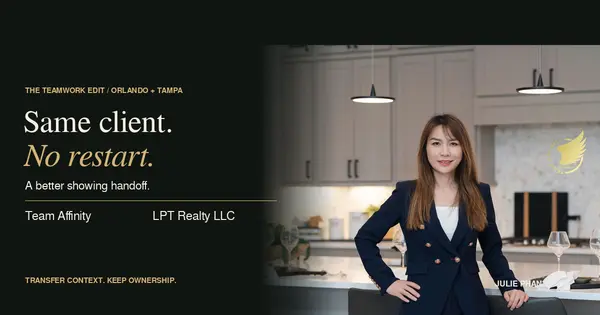
Nice House, Now What? A Post-Showing Feedback System for Orlando and Tampa Agents

A showing ends. The buyer says, “It was nice.” The agent writes “liked it” in the notes. By the next afternoon, nobody can explain whether the buyer wants a second visit, needs one answer, or has already moved on. The problem is not a lack of feedback. It is feedback that cannot support a decision.
For Orlando and Tampa real-estate agents, a better post-showing conversation separates impressions from questions and questions from next steps. This practical framework is a suggested workflow, not a claim about market conditions or a promise of results. Its purpose is simple: help clients explain what matters without pushing them toward an answer.
Ask for a decision, not a rating
“What did you think?” invites a broad reaction. Start there, then make the conversation useful: “Would you revisit this home, set it aside, or get one question answered first?” None of those choices commits the buyer to an offer. They simply tell the agent what kind of work comes next.
A buyer can admire a kitchen and still reject the floor plan. Another can dislike the finishes but see a workable home. Treat those differences as information, not objections to overcome. Avoid talking clients out of their own priorities just because the showing went smoothly.
Separate three kinds of feedback
1. Personal fit
Record what the buyer actually experienced: a difficult furniture layout, insufficient storage for their belongings, or an outdoor space they would not use. Ask what specifically created that reaction. “Too small” might refer to one room rather than the entire house. Do not convert a personal preference into an objective defect.
2. An unanswered fact
Questions about an appliance, an association rule, an improvement, or a recurring expense need verification. Write the question precisely and identify the appropriate source. A listing description is a starting point, not permission to guess. Keep the item marked unverified until the answer and its source are recorded.
3. A possible next step
A second showing, a document request, or a conversation with a lender may help the buyer decide. Ask which step they actually want. Do not schedule another appointment, contact a specialist on their behalf, or imply an offer is coming simply because the buyer sounded enthusiastic.
Use a short debrief before the homes blur together
After a tour, choose a safe place to talk rather than rushing a conversation while driving. Ask the buyer to name the strongest fit, the biggest hesitation, and the next decision. If they need time, agree on a reasonable follow-up rather than treating silence as approval.
For an Orlando-to-Tampa search, keep the same questions across both areas. Different properties can be compared against the client's priorities without labeling an entire city or neighborhood as better for a particular type of person. Invite clients to test their own routes and routines instead of substituting assumptions about where they belong.
Make the note usable tomorrow
Use one concise record in the team's CRM rather than scattering the answer across personal messages, a spreadsheet, and a separate task app. For a basic Follow Up Boss workflow, attach the note to the existing contact and create the agreed follow-up task. Keep existing Team Affinity stages and tags consistent; do not invent a new classification for every showing.
A useful note includes the property, the client's decision status, the specific question, the person responsible for checking it, and the agreed follow-up. Here is an illustrative example—not a real client quote or transaction:
- Decision: Buyer wants one answer before deciding about a second visit.
- Fit: Living-room arrangement works; storage remains a concern.
- Question: Confirm which listed appliances are included.
- Owner: Showing agent to request written clarification from the listing side.
- Follow-up: Review the answer with the buyer at the agreed time.
Store only information needed to serve the client. Do not add sensitive personal speculation or unnecessary financial details to a showing note. Record facts and stated preferences rather than labels such as “difficult” or “not serious.”
Keep seller feedback separate from buyer strategy
A listing agent may request feedback. Before replying, consider what the buyer has authorized you to share and your brokerage's policies. A buyer's ceiling, urgency, negotiation plans, or private circumstances do not belong in a casual showing summary. Ask your broker when confidentiality or disclosure obligations are unclear.
When appropriate, give specific, neutral property feedback without presenting one person's opinion as a market verdict. “The buyer could not find a workable desk location” is more useful than “Everyone will hate the layout.” Do not promise an offer or suggest a price reduction based on an unsupported generalization.
Tóm tắt bằng tiếng Việt: sau buổi xem nhà, cần rõ bước tiếp theo
Xem nhà xong, câu “cũng được” chưa giúp người mua biết mình nên làm gì tiếp. Thay vì hỏi dồn, môi giới có thể hỏi nhẹ nhàng: “Anh chị muốn quay lại xem kỹ hơn, bỏ căn này khỏi danh sách, hay cần xác nhận thêm một điều trước?” Người mua vẫn là người quyết định; câu hỏi chỉ giúp cuộc trao đổi rõ hơn.
Hãy tách cảm nhận khỏi thông tin chưa kiểm chứng. Không thích cách bố trí phòng là cảm nhận riêng. Chưa biết thiết bị nào được để lại là câu hỏi cần xác nhận. Đừng biến câu hỏi thành một lời khẳng định chỉ vì muốn trả lời cho nhanh.
Ghi chú ngắn nên có căn nhà nào, điều người mua quan tâm, câu hỏi còn thiếu, ai sẽ kiểm tra và lúc nào trao đổi lại. Nếu khách chưa muốn quyết định, hãy thống nhất thời gian liên lạc phù hợp. Không tự hiểu sự im lặng là đồng ý, cũng không chia sẻ kế hoạch thương lượng riêng của khách trong phần phản hồi cho bên bán.
Frequently asked questions
Should every showing lead to a follow-up appointment?
No. A clear decision to remove a property from consideration is useful progress. Create an appointment only when it serves a next step the client wants.
What if the buyer changes their mind later?
Update the record and ask what changed. Keep the earlier context rather than treating the new preference as a mistake. A search can clarify priorities.
Does bilingual communication mean translating every note twice?
Not necessarily. Ask the client which language they prefer, confirm important meaning, and record the operational next step clearly. For a related framework, read our bilingual follow-up guide.
Clearer conversations, from Orlando to Tampa
Looking for a Vietnamese Real Estate Agent in Orlando & Tampa? Team Affinity offers a place to discuss your search, priorities, and next questions with a Vietnamese Realtor serving Orlando and Tampa. If you searched “Vietnamese Realtor Orlando Tampa,” start with the decision you need help understanding—not a pressure-filled sales pitch.
Orlando: Phat Nguyen, 407.502.4909. Tampa: Julie Phan, 813.295.7424.
Team Affinity - LPT Realty LLC.
This article is for general educational purposes only and is not legal, tax, mortgage, or financial advice. Follow applicable brokerage policies and consult the appropriate licensed professional about your circumstances.
Categories
- All Blogs (80)
- Agent Development (14)
- Community Spotlight (9)
- First-Time Buyers (20)
- Local Guides (5)
- Market Updates (2)
- New Construction (1)
- Orlando Local Spotlight (4)
- Orlando Real Estate (36)
- Real Estate Business (12)
- Relocation to Florida (6)
- Selling Your Home (6)
- Tampa Real Estate (36)
- Team Affinity (14)
- Vietnamese Community (7)
- Vietnamese Homebuyer Guide (7)
Recent Posts